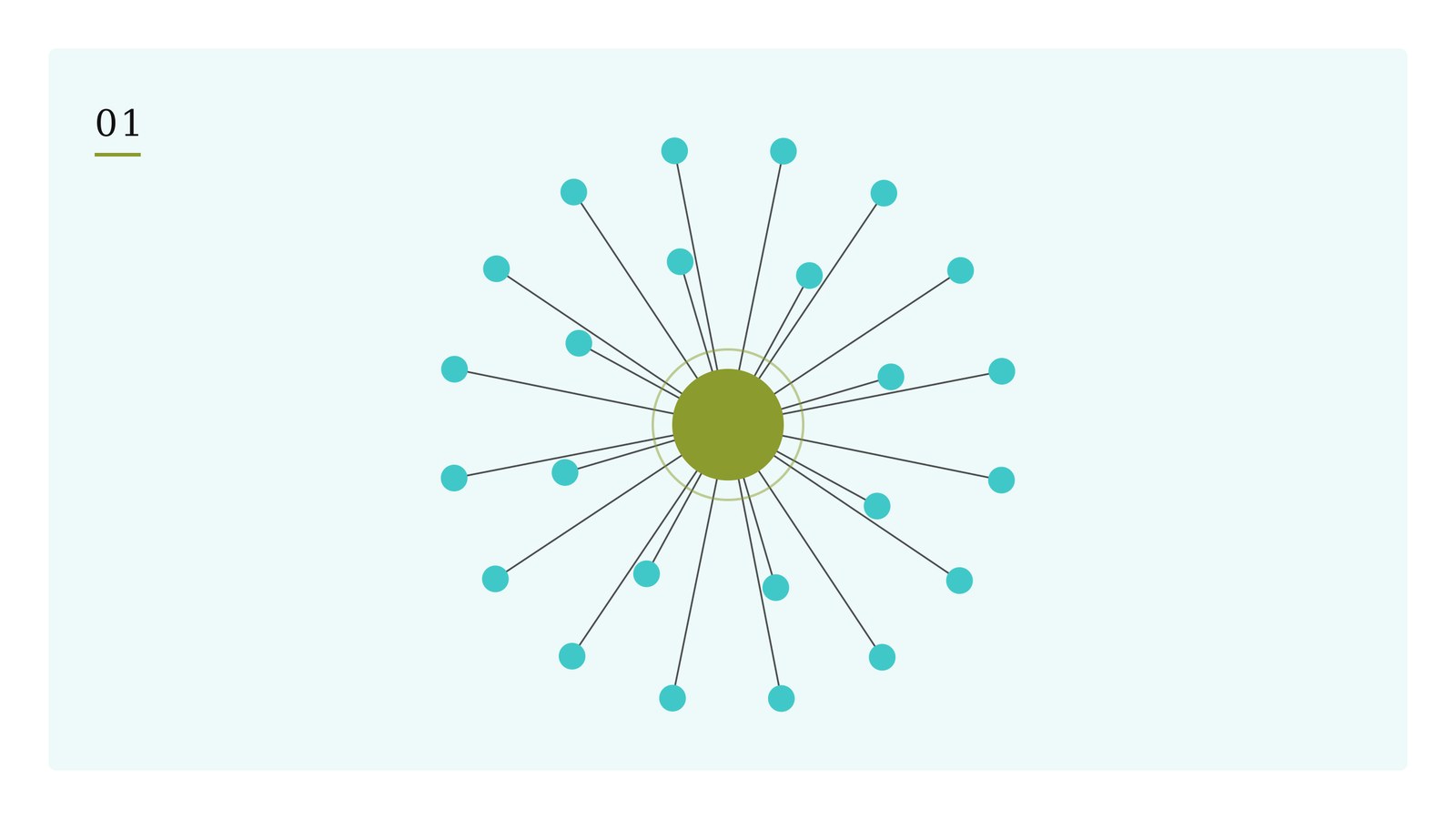

Most founders already know their firm depends on them too much. The usual advice is to delegate more.
It rarely works. Not because founders can't let go, but because delegation hands over tasks, and dependence isn't about tasks. It's about where clients, decisions, knowledge and new business actually sit.
If you hand over work but every important call still comes back to your desk, nothing has changed. The firm is just busier around you.
Where dependence hides
In most boutique firms, founder dependence sits in four places.
1. Client relationships. Clients trust you. They call you. They may work with others in the firm, but if something goes wrong, they want you. That trust is real and valuable, but it belongs to you, not the firm.
2. Decisions. Pricing, hiring, which matters to take on, how to handle a difficult client. If these all need your sign-off, the firm can only move as fast as you can.
3. Knowledge. How you price, why certain clients get special treatment, what was agreed years ago and never written down. If it lives in your head, it leaves with you.
4. New business. If new clients arrive because someone recommended you, the firm's growth depends on you staying. I call this the Recommendation Trap.
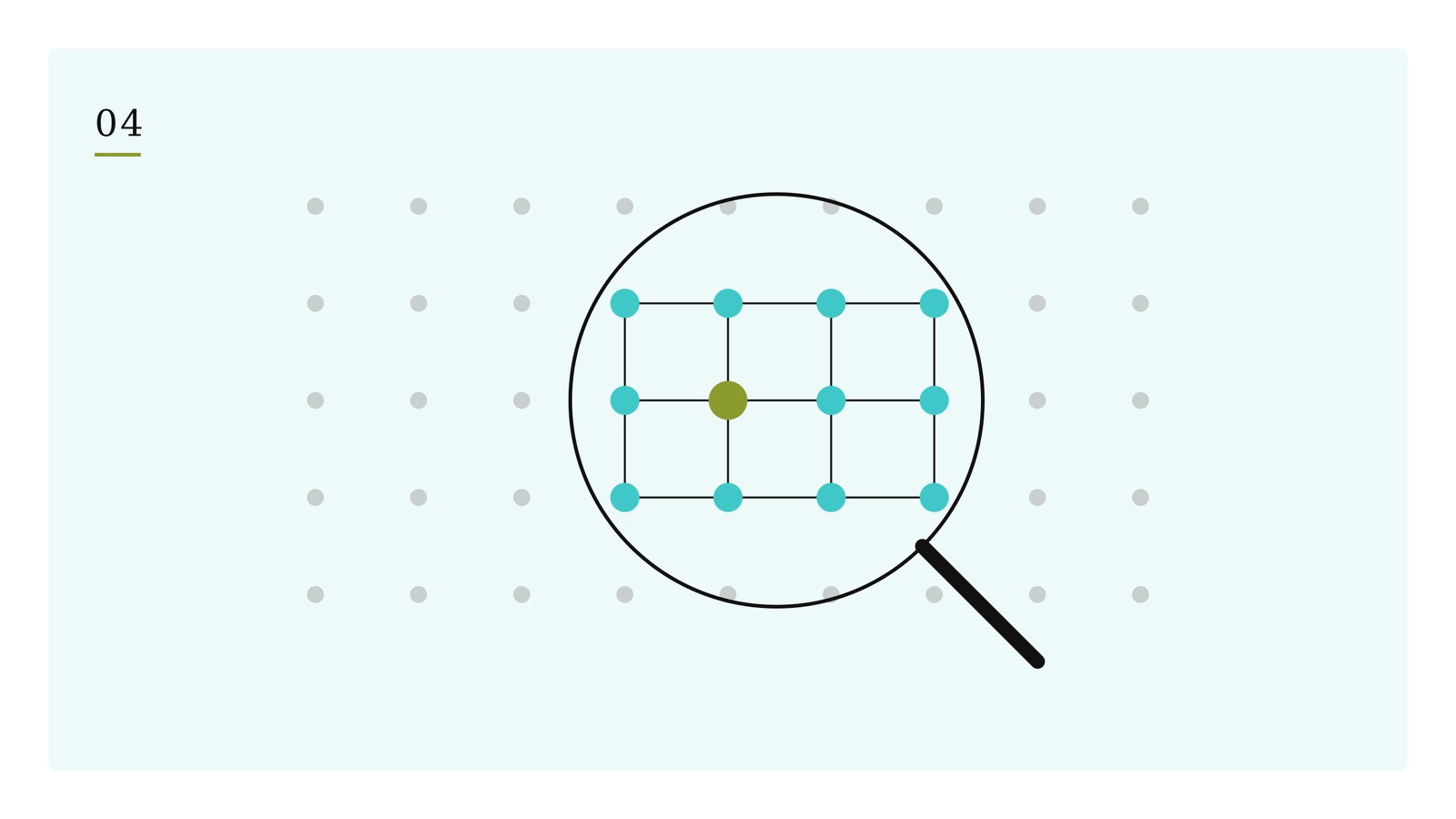
Most founders are strong in one or two of these and exposed in the others. The work starts with knowing which is which.
What change actually looks like
Reducing dependence doesn't mean stepping back from the work you love. It means building a firm that could carry on without you.
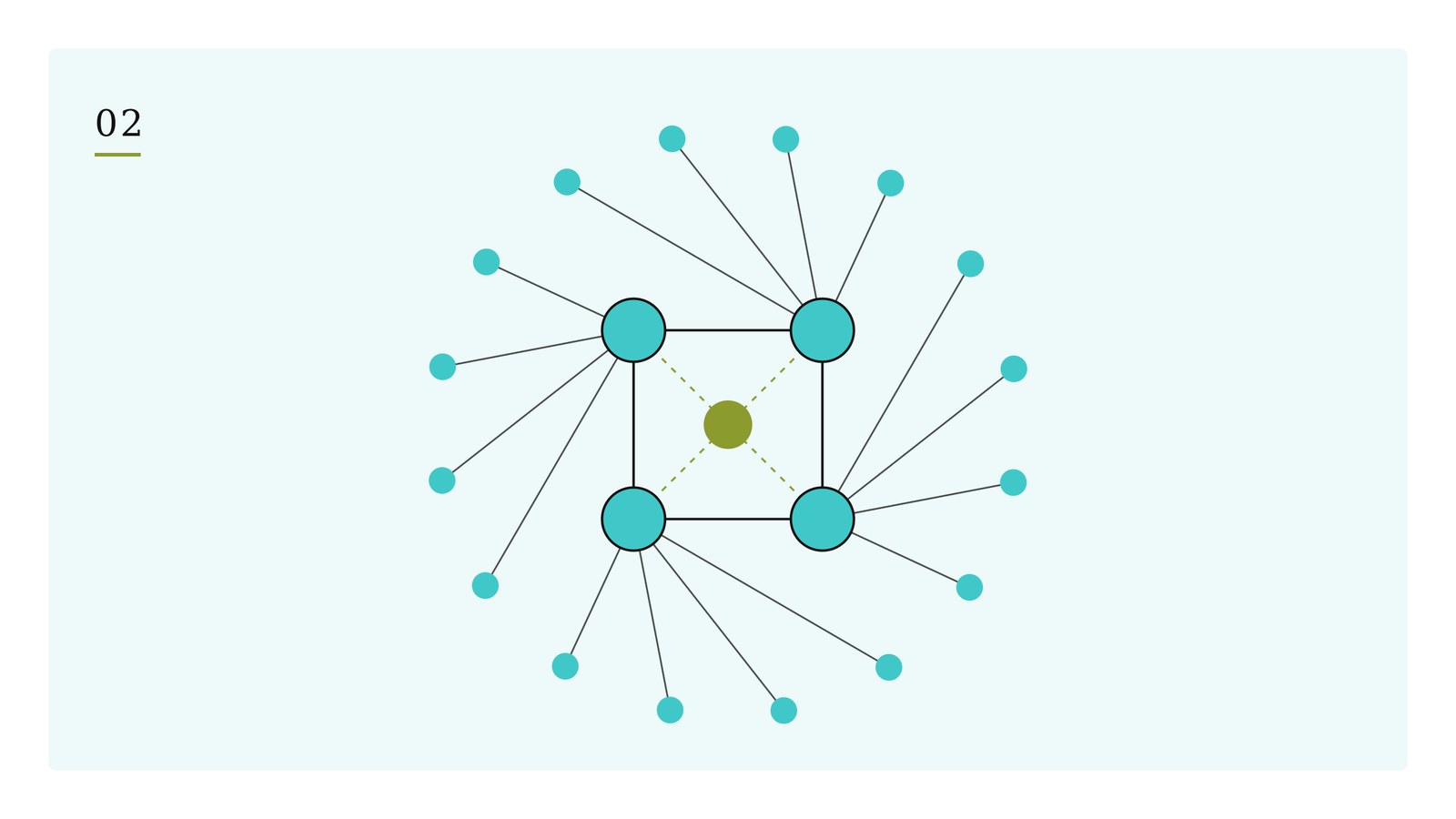
- Key clients get to know and trust a second person in the firm, not as a handover, but as a real relationship.
- Some decisions move to other people, with clear limits on what they can decide without you.
- The knowledge that lives in your head gets written down, so the firm remembers what you know.
- New business starts coming to the firm's name, its people and its work, not just to yours.
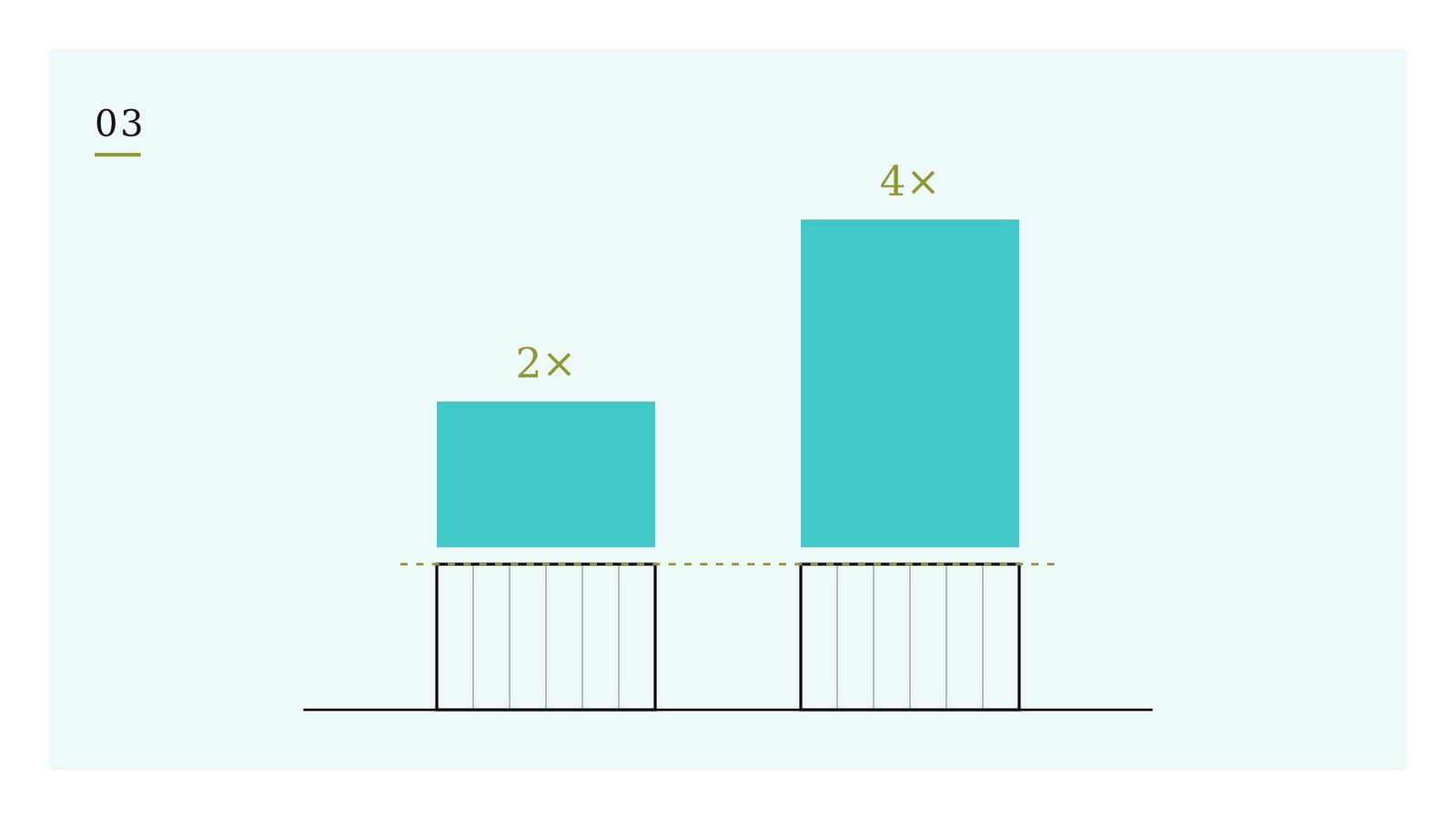
None of this happens in a month. Each change needs time to take hold, and a buyer will want to see that it has.
Why the order matters
This is where founders most often go wrong. They make the right changes in the wrong order.
Introduce a second partner to your biggest clients before that partner is ready, and you can damage the relationship you were trying to protect. Hand over decisions before the knowledge behind them is written down, and your team makes them blind. Push new business to the firm before the firm can deliver without you, and the work comes straight back to your desk.
Every firm needs a different order, depending on where its dependence is deepest. Getting that sequence right is most of the work.
Try this before anything else
Pick one decision you'd normally make yourself this month. Something real, but not risky.
Hand it to someone on your team, and leave it with them for two weeks. Don't check in, don't approve it, don't fix it afterwards.
Then notice two things: how hard it was for you to leave it alone, and what your team did with it.
If you found it hard, you've just seen the problem for yourself.
How long it takes
Allow about three years. That's enough time to make the changes, let them settle, and show a track record a buyer can trust.
That doesn't mean you have to sell in three years. It means that when the time comes, whether that's three years from now or ten, you'll have choices.
Where to start
The Exit Readiness Diagnostic takes four minutes. It shows which of these four areas depends on you most, so you know where to look first.
Find out where your firm stands.
Twelve questions, four minutes.