
The short answer is yes. Law firms that depend on their founder do get sold.
The longer answer is the one that matters. A firm whose clients depend on you will usually sell for less than its earnings suggest. More of the price will depend on what happens after you leave. And fewer buyers will be interested in the first place.
If that's your firm, you're not unusual. Most boutique firms were built exactly this way. You won the work, you kept the clients, and the firm grew around you. That's how good firms get built. It just isn't how they get sold.
What a buyer is really buying
A buyer isn't paying for what your firm has earned. They're paying for what it will earn once you're gone.
Every buyer, whether it's another firm, a merger partner or an investor-backed group, asks the same question in due diligence: if the founder steps away, how much of this revenue stays?
That's the difference between two kinds of value.
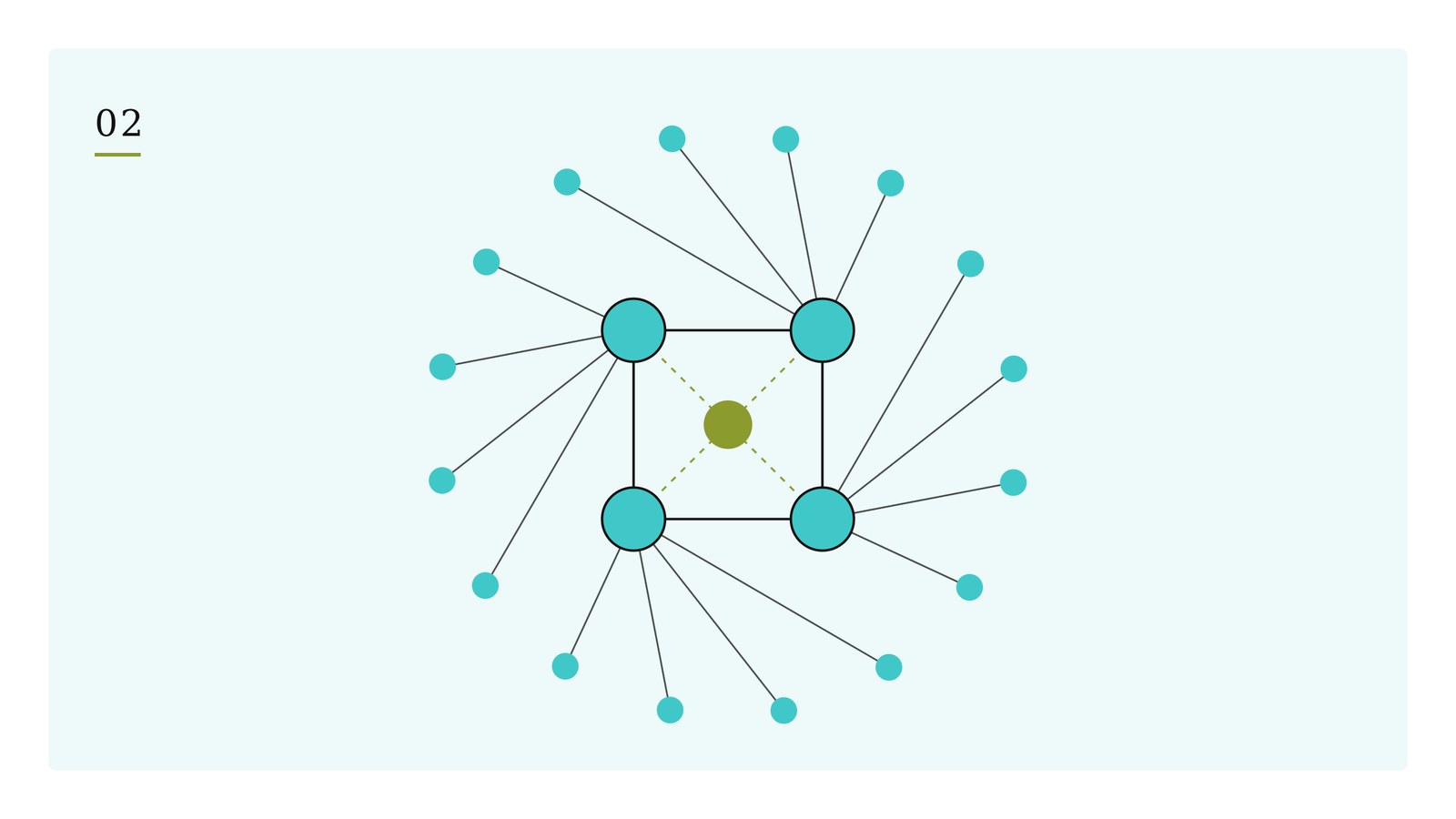
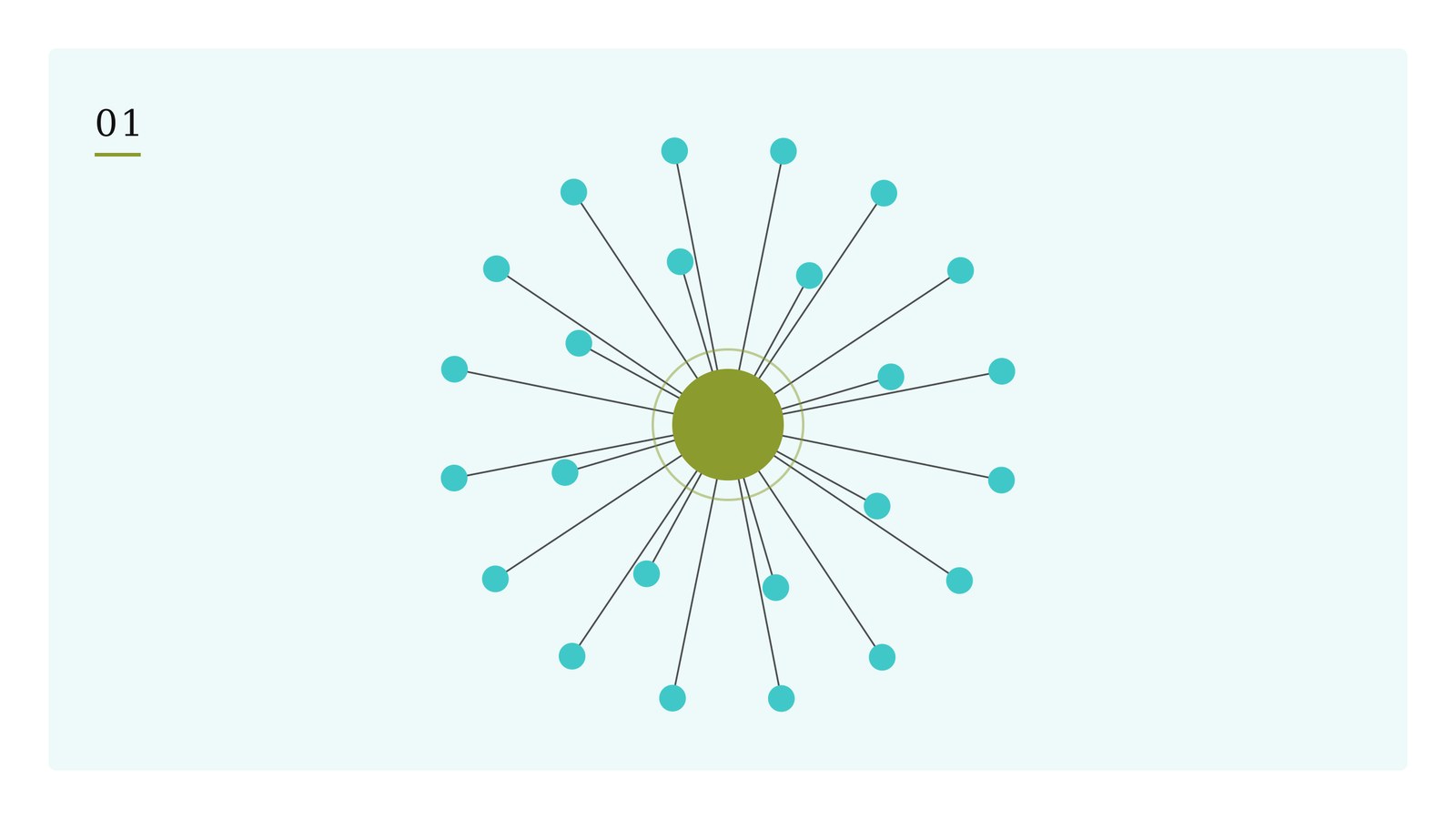
Personal goodwill is the value that lives in you: your reputation, your relationships, the trust clients place in you as a person.
Enterprise goodwill is the value that lives in the firm: its name, its systems, its team, and client relationships that don't depend on one person.
A buyer can take over enterprise goodwill. Personal goodwill tends to leave with you.
How dependence shows up in the deal
When most of the value is personal, it rarely kills a sale outright. It changes the terms.
- A lower price. The buyer prices in the risk that clients will follow you out the door.
- More of the price paid later. Instead of being paid at closing, more of your money is tied to an earn-out, paid only if clients stay. You carry the risk you were hoping to sell.
- A longer goodbye. Buyers often ask a founder-dependent seller to stay on for years to hand over the relationships. You sold the firm, but you're still working in it.
- Fewer buyers. Some buyers simply walk away when they see that everything runs through one person.
None of these show up in your profit figures. They show up at the negotiating table.
Three questions worth asking yourself
- If you stepped away for 90 days, what would happen? Would clients stay calm? Would decisions get made? Or would everything wait for your return?
- When a client has a problem, whose phone rings? If the answer is almost always yours, the relationship is with you, not the firm.
- When new clients arrive, who were they told to call? If people recommend you by name, your growth depends on you. I call this the Recommendation Trap.
If those answers make you uncomfortable, that's useful. It means you can see the problem while there's still time to fix it.
The good news: this can be fixed
Founder dependence isn't a permanent feature of your firm. It's a result of how the firm grew, and it can be changed.
But it takes time. Clients need to build real relationships with other people in the firm. Your team needs room to make decisions without you. A buyer needs to see a track record of the firm working without you, not a promise that it will.
That usually takes about three years. Start three years before you want to sell, and you have choices. Start in the year you decide to sell, and the buyer has them.
Where to start
You can't fix what you can't see, and founders are often too close to their own firm to see it clearly. I call this the GC Blind Spot. You'd spot these risks in a client's business in minutes. In your own, they feel normal.
The Exit Readiness Diagnostic takes four minutes. It shows where your firm's value still depends on you, and which gap to close first.
Find out where your firm stands.
Twelve questions, four minutes.